Bicycle Accident Lawyer Tips for Preserving Key Evidence

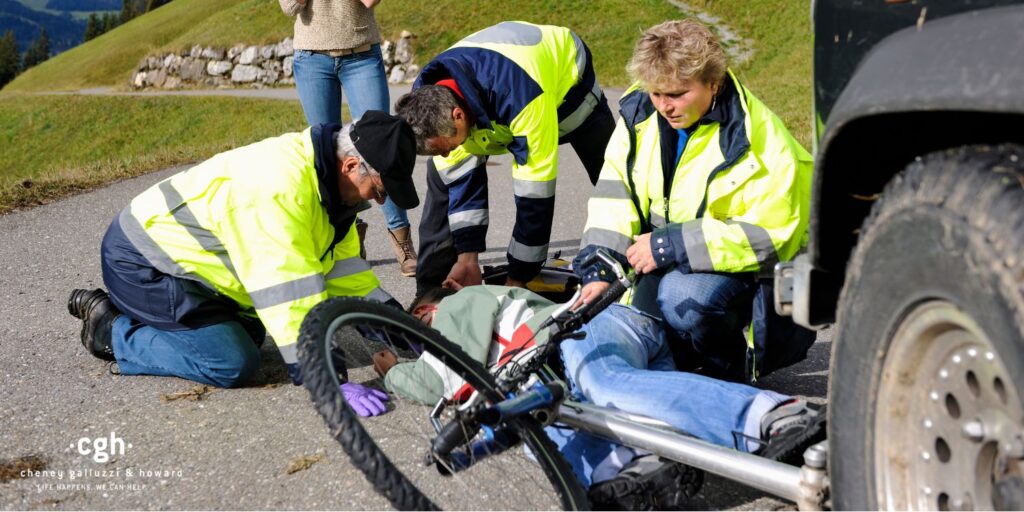
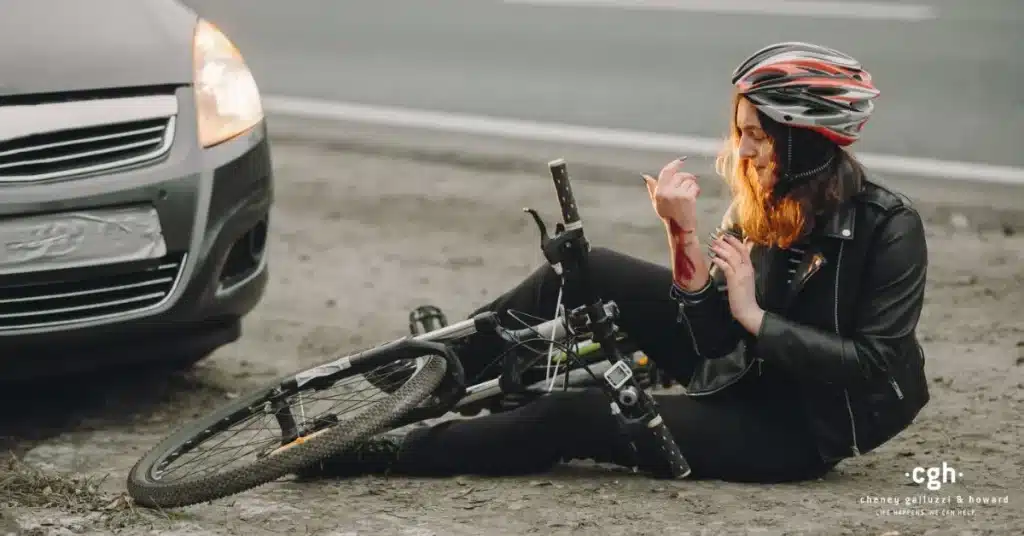
A bicycle crash case can look straightforward at the scene and turn murky within days. Paint marks fade. A driver changes the story. Nearby businesses record over their security footage. A damaged helmet gets tossed in the garage during cleanup. What felt obvious in the first hour starts to blur by the second week.
That is why evidence preservation matters so much in bicycle injury claims. Liability often turns on details that seem small when adrenaline is high: the exact position of the bike after impact, whether a taillight was functioning, the timing of a traffic signal, the scrape pattern on a car door, or the angle of a bent wheel. A strong case is rarely built on one dramatic piece of proof. More often, it comes together through ordinary, unglamorous material that was collected early and handled carefully.
Any seasoned Bicycle Accident https://kylerohav548.keystonescope.com/posts/what-compensation-can-a-bicycle-accident-lawyer-recover Lawyer will say the same thing: the first version of the facts is usually the most valuable one. Not because it is always complete, but because it is least contaminated by memory drift, self-protection, and missing records. If you wait for insurance adjusters or opposing counsel to define the story, you are already reacting instead of building.
The first 24 hours shape the entire claim
The hours right after a bicycle collision are chaotic. Injured riders are dealing with pain, transportation, family calls, and medical questions. Evidence work is not what most people want to think about. Yet this is the period when the strongest proof is most available.
The scene itself changes fast. Police clear the roadway. Vehicles are moved or towed. Weather alters skid marks and debris fields. Witnesses leave with every intention of helping later, then become impossible to find. If the collision happened near an intersection, nearby cameras may be on a short recording loop. Some systems overwrite within days. Some private cameras keep footage for even less time.
If a rider can do so safely, or if a family member or friend can help, the goal is not to investigate like a professional reconstructionist. The goal is to freeze the scene before it disappears. Wide photos matter because they show context: lane layout, signage, sightlines, parked cars, sun angle, bike lane markings, potholes, storm grates, and obstructions. Close photos matter because they capture detail: broken reflectors, torn clothing, blood spots, helmet damage, paint transfer, cracked lights, and the point of impact on the vehicle.
One of the most overlooked pieces of evidence is the rider’s own first account. Memory changes surprisingly fast after trauma. People fill in gaps without realizing it. A simple voice memo recorded the same day can preserve crucial details, including direction of travel, speed estimate, what the rider saw before impact, what the driver said immediately afterward, and whether there were pedestrians or other cyclists nearby. That kind of contemporaneous account carries a different weight than a polished summary prepared weeks later.
Evidence disappears in ways people do not expect
Most people think of evidence loss as something dramatic, like a missing surveillance video. In practice, it is often mundane. A spouse washes the rider’s jacket. A bike shop straightens a wheel before anyone photographs it. A hospital discards clothing cut off in the trauma bay. A car insurer repairs the vehicle quickly. A phone automatically backs up and compresses photos, stripping date metadata in the process.
I have seen cases where the best proof of impact location was a smear of black handlebar rubber on a silver car door, and by the time the claimant realized its value, the car had been cleaned and repaired. In another matter, a rider had a cycling computer that captured braking, speed drop, and route position. He reset the device during a later ride because he did not realize the crash data would matter. Those details can be the difference between a disputed claim and a clear liability picture.
Preserving evidence is not about hoarding everything forever without thought. It is about recognizing what can answer the likely points of dispute. In bicycle cases, those disputes tend to cluster around a few familiar themes: visibility, right of way, lane position, speed, sudden movement, road defects, comparative fault, and injury severity. Good preservation work keeps those future arguments in mind from the start.
What to keep, and why it matters
A damaged bicycle is not just personal property. It is a physical record. Bent forks, scuffed pedals, gouged rims, twisted handlebars, broken lights, and tire damage can all help explain the mechanics of a collision. Even if the bike is not worth much on the resale market, its evidentiary value may be substantial. The same goes for the helmet, shoes, glasses, panniers, backpack, phone mount, and clothing worn during the ride.
It is common for injured riders to want the bike fixed immediately. Sometimes that is practical necessity. Sometimes it is emotional. The bike represents routine, freedom, exercise, and identity. Seeing it damaged in a garage can feel worse than people expect. Still, repair should wait until the damage is fully documented, and in serious cases, until counsel has had a chance to inspect or photograph it thoroughly.
Medical records are another category people misunderstand. They are not just proof that treatment occurred. They create timing, symptom progression, and diagnostic context. When emergency records note road rash on one side of the body, or an orthopedic consult notes where the rider reports first pain, that can line up with scene evidence and vehicle contact points. Gaps in care, on the other hand, often become a target for insurers looking to minimize a claim. Keeping organized records from the start helps avoid confusion later.
Digital evidence has become increasingly important. That includes phone photos, text messages sent right after the collision, app-based ride data, smartwatch heart rate logs, bike computer files, and location history. None of these sources is perfect. GPS can drift. Timestamps can be off if settings were changed. But taken together, digital records can reinforce a timeline and counter arguments that the rider is guessing about speed, route, or sequence.
The documents a Bicycle Accident Lawyer wants early
A Bicycle Accident Lawyer evaluating a case usually wants the raw material before it gets filtered through repeated retellings. That means original photos instead of screenshots where possible, full contact information for witnesses, copies of the police report, insurer correspondence, medical discharge papers, and any repair estimates for the bike or involved vehicle.
What matters is not volume for its own sake. It is chain of information. Where did this image come from? When was it taken? Has anything been repaired, washed, replaced, or discarded? Did a witness speak to police, and if so, are their names spelled correctly in the report? Was there body camera footage? Was the crash near a transit bus or delivery truck with onboard video? Was there a 911 call that captured immediate observations?
Those questions are time sensitive. Many public and private entities do not preserve material indefinitely unless asked. A formal preservation letter can be useful in the right case, especially where there may be traffic camera footage, commercial vehicle data, or premises video. But those letters work best when sent quickly and to the right recipient. A generic demand sent a month later often comes too late.
Practical steps riders and families can take immediately
The most effective evidence preservation is simple, prompt, and methodical. If the rider is injured, family members often end up doing this work, and they do not need legal training to be helpful.
- Photograph the scene, the bike, the vehicle, visible injuries, road conditions, and any traffic control devices from multiple angles.
- Save damaged gear and clothing exactly as they are, without washing, repairing, or discarding anything.
- Gather witness names, phone numbers, and if possible a brief note about what each person saw.
- Download and back up ride data, phone images, and messages in their original form.
- Request the police report number, towing information, and the location of any involved vehicles or property.
Even this short checklist can prevent the most common losses. The key is consistency. Put everything in one place, whether that means a physical box for damaged items and a digital folder for records, or a shared folder managed by a trusted family member.
Photos that actually help, not just photos that exist
People often take dozens of images and still miss what matters. A useful photo set tells a story. Start wide, then move closer. Show the intersection from each approach. Show lane striping and signs in the direction each party traveled. If there is sun glare at the time of day the crash occurred, try to capture that. If a parked truck blocked a sightline, photograph the obstruction from the rider’s approach and the driver’s approach.
Close-up images should be sharp enough to show damage texture, not just general location. A scrape running horizontally across a car can suggest the bike’s path differently than a deep dent at one point. Damage to a right mirror may support a sideswipe account. Marks on the bike frame can line up with bumper height. Torn fabric at one knee may fit the road-contact pattern described in medical records.
Metadata matters too. Original files often contain date, time, and sometimes location information. Sending images through social media apps can strip or alter that data. It is better to preserve originals and make copies for sharing. A surprisingly large amount of avoidable dispute comes from people only retaining compressed screenshots.
Witnesses are strongest when contacted early
Independent witnesses can make or break a disputed bicycle case. They also disappear quickly into ordinary life. A person who was eager to help at the curb may ignore unknown phone calls a month later. Another may remember the broad outline but forget whether the rider had the light or whether the driver signaled before turning.
The best witness collection is specific. “Saw everything” is not enough. A brief note made the same day can be far more useful: “Standing on northwest corner, saw car turn right across bike lane after rider entered intersection on green.” That short summary is not a formal statement, but it anchors memory and helps later interviews.
There is also judgment involved. Not every witness is equally helpful. Some only heard the impact. Some have a poor vantage point. Some are emotionally invested and will overstate certainty. Good case preparation does not treat every witness as gold. It evaluates what each person could actually perceive.
When road conditions may be part of the case
Not every bicycle crash is purely a driver-versus-rider dispute. Sometimes defective pavement, loose gravel, missing signage, poor drainage, unsafe construction setup, or a hazardous utility cut plays a role. These cases raise a different evidence problem because road conditions can be repaired or altered quickly once an incident is reported.
That makes detailed photography particularly important. A pothole should be shown in relation to the travel lane, not just as an isolated close-up. Depth matters. So does width, edge sharpness, visibility, and whether the defect sat in an unavoidable line of travel. Include nearby landmarks so the location can be identified later without guesswork. If there were temporary barriers, cones, or warning signs, photograph their placement or absence.
Public entity claims can involve special notice rules and shorter deadlines in some places. That is one reason a Bicycle Accident Lawyer often wants to know very early if roadway design or maintenance may be involved. Delay can affect not only evidence preservation but also the ability to bring the claim at all.
The role of vehicles, onboard systems, and commercial records
When the involved vehicle belongs to a business, the evidence picture widens. Commercial fleets may have dash cameras, telematics, route logs, inspection reports, and driver communication records. Delivery vans, buses, rideshare vehicles, and municipal trucks frequently generate more data than private cars, though access is rarely automatic. The existence of those records is one reason early legal intervention can matter.
Even private vehicles may carry valuable information. Newer cars can store event data, though retrieving it is not always straightforward or necessary. Sometimes the simpler proof is enough: vehicle photos, repair records, windshield damage, mirror replacement, or insurer app images taken right after the crash. The point is not to chase technology for its own sake. It is to identify what may speak to speed, braking, steering, or point of contact before repairs wipe the slate clean.
Social media can quietly damage a strong case
Many injured riders are careful with physical evidence and careless with digital presentation. Social media creates a curated version of recovery that insurers love to misread. A single smiling photo at a family event can be used to suggest the person is fully recovered, even when it captured a ten-minute appearance followed by hours of pain.
That does not mean someone must vanish from public life. It does mean they should be deliberate. Avoid posting about fault, injuries, settlement expectations, or how the crash happened. Do not delete existing content impulsively either, because deletion can create its own problems. The smarter approach is to pause, tighten privacy settings where appropriate, and discuss preservation with counsel.
Medical evidence is built over time, not on one dramatic record
A common mistake is assuming the emergency room chart tells the full injury story. Bicycle crashes often involve fractures, concussions, shoulder injuries, wrist injuries, nerve irritation, and soft tissue damage that evolve over days. Some symptoms emerge after the initial adrenaline dump fades. That does not make them less real, but it does mean consistent follow-up matters.
Keep records of appointments, referrals, imaging, medications, mobility restrictions, and out-of-pocket expenses. Pain journals can help when used honestly and sparingly. A good journal does not read like advocacy. It records practical effects: woke three times from shoulder pain, could not grip brake lever on a short ride attempt, needed help showering for one week, missed two client meetings, developed headaches with screen use. Specificity makes symptoms credible.
Common evidence sources people miss
Some of the best evidence in bicycle cases comes from places riders do not think to check until too late.
- Nearby businesses, apartment buildings, and homes with security cameras facing the street
- Transit buses, school buses, or delivery vehicles that passed through the area
- Bike computers, fitness apps, smartwatches, and phone location history
- Auto repair photos and insurance inspection images of the involved vehicle
- 911 recordings, body camera footage, and dispatch logs
Each source has its own shelf life. Security footage may be gone in days. Dispatch recordings may require a formal request. Commercial vehicle records may need a preservation letter. The common theme is speed.
Handling damaged property without undermining the claim
There is a practical tension between preserving evidence and moving on with life. A commuter may need a functioning bike to get to work. A family may not have room to store a crumpled cargo bike indefinitely. A lawyer’s advice in a modest property-damage case may be different from a catastrophic injury case with disputed liability.
Usually the answer is documentation before disposal or repair, not permanent paralysis. Take thorough photos. Keep receipts. Save replacement recommendations from a reputable bike shop. If a component is critical to how the collision occurred, such as a broken fork or failed quick release, preserve that part even if the rest of the bike is repaired. Judgment matters here. The aim is to retain what is truly probative.
Why early legal advice changes what gets saved
A rider does not need a lawyer to take photographs or save a helmet. But early legal advice often changes the quality of preservation. An experienced Bicycle Accident Lawyer can identify non-obvious sources of proof, send timely preservation notices, coordinate vehicle inspections, and frame the case before insurers reduce it to a generic bike-versus-car dispute.
That matters because bicycle claims are still misunderstood. Bias creeps in. Some adjusters assume riders are unpredictable, hard to see, or partly at fault simply because they were on a bike. The answer to that bias is not outrage. It is disciplined evidence. Lane diagrams, timestamps, witness accounts, injury progression, component damage, and preserved footage do more to counter assumptions than rhetoric ever will.
The strongest bicycle cases are not always the ones with the worst injuries. They are often the ones where the facts were captured before they dissolved. A faded skid mark, a repaired fender, a deleted ride file, or a washed jersey may not seem like much in isolation. Together, those losses can hollow out a claim. Careful preservation does the opposite. It gives the case structure, credibility, and staying power when the easy narratives start to fall apart.
CGH Injury Lawyers
2701 Lawrence St Suite 201
Denver, CO 80205, United States
Phone: +1 720-669-8062
FAQ About Bicycle Accident Lawyer
Who is at fault if a car hits a bicycle?
Fault depends on the evidence and the traffic rules that applied to the collision. A driver, cyclist, or another party may share responsibility. Police reports, witness accounts, video, and the physical evidence can help establish what happened. A collision with a car does not automatically determine legal fault.
Can you sue someone for hitting you on a bike?
You may have a claim when another person's negligent conduct causes your injuries and losses. The available evidence, applicable deadlines, insurance coverage, and any shared fault affect your options. A lawyer can review the circumstances and explain whether an insurance claim or lawsuit is appropriate; compensation is not guaranteed.
What percentage does an injury lawyer usually take?
There is no single percentage that applies to every injury case. Many lawyers use a contingency fee based on a share of the recovery, with the terms stated in a written agreement. Ask how the percentage is calculated, whether it changes during litigation, and how case expenses are handled before signing.